
How Toyota Weathered the 2026 Kumamoto Earthquake — and Showed Up for Its Neighbors
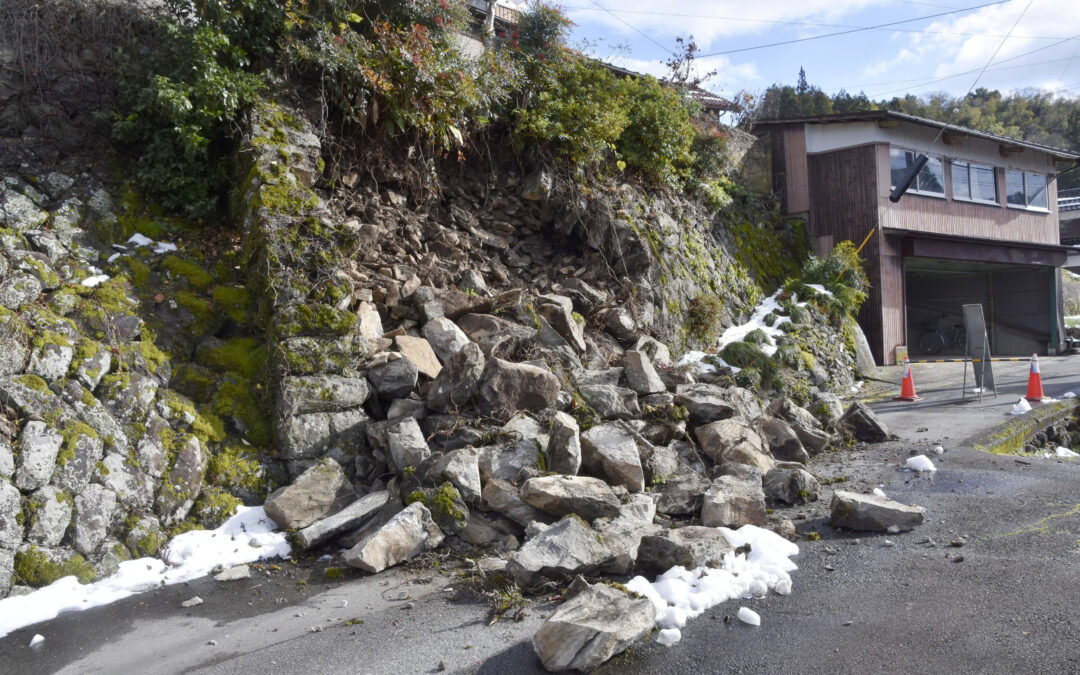
On July 28, 2026, a powerful earthquake struck the Kumamoto region on Japan’s southern island of Kyushu, an area that also happens to be one of the most important manufacturing hubs in the world for cars and computer chips. For the people who live and work there, the quake was first and foremost a human event — homes damaged, power knocked out, communities suddenly focused on safety and recovery rather than daily routines. But because Kyushu is home to some of Toyota’s key production facilities, the aftershocks were felt far beyond the region itself, rippling through supply chains that stretch across the globe.
The Hit to Production
Toyota moved quickly to shut things down. Within a day of the quake, the company suspended operations at three plants in the Kyushu area — Miyata, Kanda, and Kokura — all part of its Toyota Motor Kyushu subsidiary. That wasn’t a small, symbolic pause. These plants build real volume for Toyota’s lineup, and taking them offline meant an immediate hit to output.
What made this earthquake particularly disruptive wasn’t just the direct damage to Toyota’s own buildings and equipment — it was everything connected to those buildings. Kyushu is a dense web of suppliers, and when roads are damaged, power is out, and smaller parts makers are dealing with their own emergencies, a big assembly plant can’t just flip the lights back on and keep building cars. Toyota said plainly at the time that “the situation, including aftershocks and recovery efforts, is changing daily” — an honest acknowledgment that even the company itself didn’t have a firm timeline for when things would return to normal.
That uncertainty played out over the following two weeks. What started as a short suspension stretched on. By August 5, more than a week after the initial quake, Reuters was still reporting that the three Kyushu plants remained offline. Then, in early August, a fourth Toyota plant elsewhere in Japan had to pause production too — not because it was damaged, but because it couldn’t get the parts it needed from suppliers in the earthquake zone. That’s the nature of modern manufacturing: a disruption in one town can quietly stall an assembly line hundreds of miles away.
Toyota wasn’t alone in feeling this. Honda and Nissan also had to halt or slow production at nearby facilities, and the ripple effects reached well beyond the auto industry — chipmaker TSMC, which operates in the same region, saw its own operations disrupted as well. Kyushu has earned the nickname “Silicon Island” for its concentration of semiconductor manufacturing, and this earthquake was a stark reminder of just how much of the world’s cars and electronics trace back to this one corner of Japan. Industry analysts pointed to the event as a case study in supply chain fragility — when so much critical manufacturing sits in one geographic area, a single natural disaster can cause disruptions that show up on car lots and store shelves on the other side of the planet.
The good news is that Toyota’s plants didn’t stay dark indefinitely. As infrastructure was repaired, roads reopened, and suppliers came back online, the company was able to gradually restart operations at the affected facilities. It’s a process that takes patience — you don’t just restart a modern auto plant with the flip of a switch, especially when the supply chain underneath it is still healing — but as of the most recent reporting, Toyota had resumed production at its Kyushu sites.
Showing Up for the Community
While the business side of the story was playing out in headlines about production halts and supply chains, Toyota was also doing what it has done after past disasters in Japan: turning its attention to the people directly affected.
Just three days after the earthquake, on July 31, Toyota announced it was donating a combined 30 million yen to earthquake relief — split between three respected organizations: the Japanese Red Cross Society, the Central Community Chest of Japan, and Japan Platform, a coalition that specializes in emergency humanitarian response. These are the kinds of established relief networks that can get resources to displaced families and damaged communities quickly, and Toyota’s donation was designed to support exactly that kind of fast, on-the-ground response.
But the company’s response went well beyond writing a check. Toyota leaned on its extensive local footprint — its dealer network, its Toyota Rental & Leasing stores, and Toyota Motor Kyushu itself — to get vehicles and emergency supplies directly into affected municipalities. In a disaster, having reliable transportation can be the difference between getting help where it’s needed and being stuck waiting, so lending out vehicles to local governments and relief workers was a practical, immediate way for Toyota to make a difference using assets it already had on hand.
Perhaps most striking was Toyota’s use of its own vehicle technology to help solve a very basic problem after the quake: power. The company deployed power-supply vehicles, including its Moving e model, to evacuation centers to provide emergency electricity. For anyone who has been through a natural disaster, the value of that kind of support is hard to overstate — it means phones can be charged to reach loved ones, medical equipment can run, and evacuation centers can function through the night. Toyota also sent disaster relief volunteers into the region to help directly with recovery efforts on the ground.
What’s notable is that this wasn’t a one-time gesture. Toyota explicitly said it would continue adjusting its support “by consulting with the government, local governments, and relief organizations, as well as carefully confirming the local situation” — language that reflects a company treating this as an ongoing commitment rather than a headline moment. It’s also consistent with how Toyota has responded to previous disasters in Japan, including the Noto Peninsula earthquake, suggesting a well-practiced playbook for disaster response that the company has refined over the years.
The Bigger Picture
The 2026 Kumamoto earthquake is a reminder of two things at once: how interconnected global manufacturing has become, and how a company’s response to crisis can extend well beyond its factory walls. Toyota lost significant production time and had to navigate a genuinely uncertain, day-by-day recovery at some of its most important Japanese plants. But at the same time, it mobilized real resources — money, vehicles, power, and people — to support the communities in Kyushu that make that manufacturing possible in the first place. For a company whose name is on so many roads and driveways, it was a moment where showing up for its neighbors mattered just as much as getting the assembly lines running again.